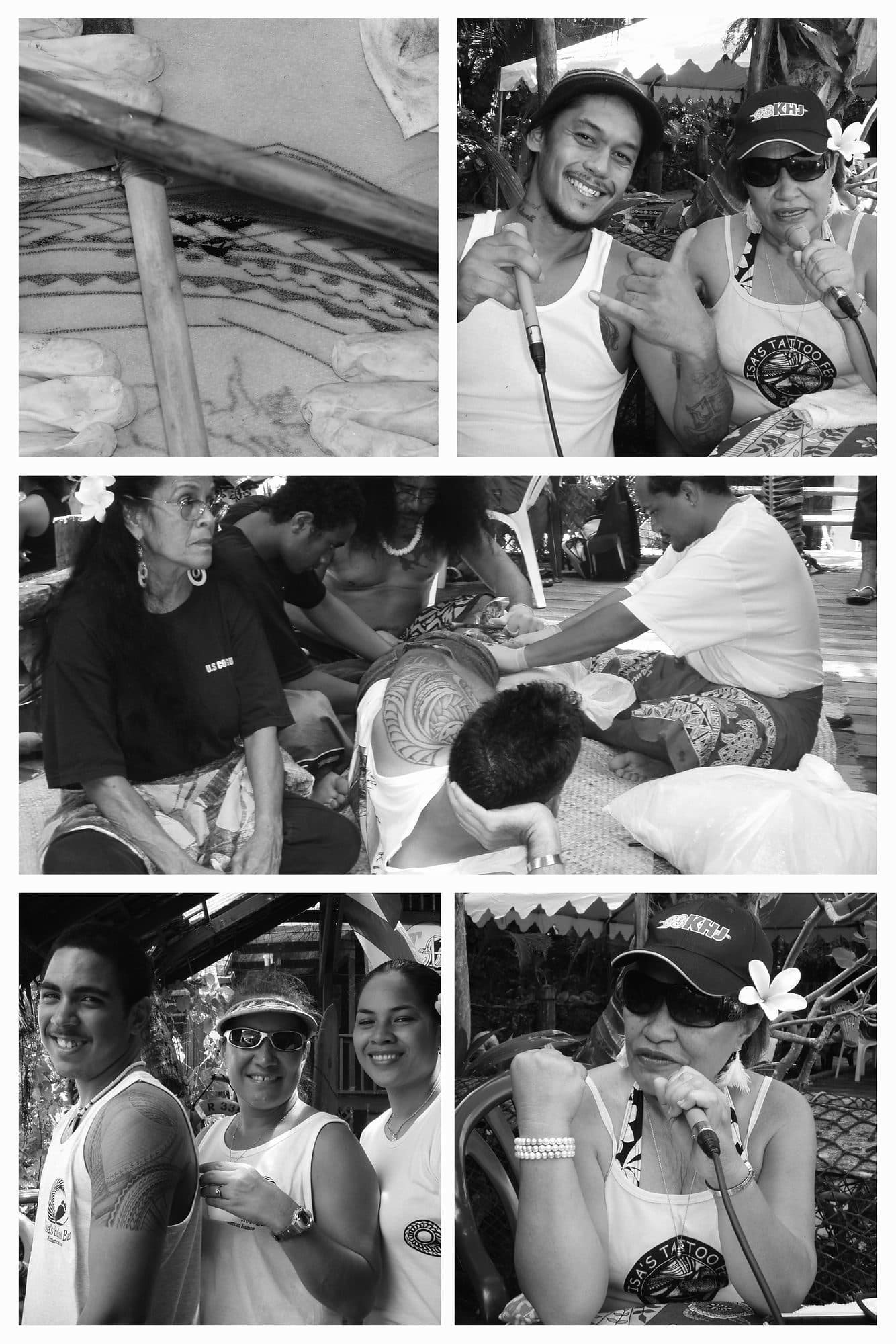
Every year, the shores of Alega come alive as Tisa’s Tattoo Festival brings together traditional tattoo masters, dancers, musicians, families and visitors from around the world. More than a celebration of tattooing, the festival honors the tatau as a living expression of Samoan identity, preserving and sharing the art, traditions and cultural heritage of the Samoan archipelago.
Founded by Tisa in 1993, at a time when traditional Samoan tattooing faced an uncertain future, the festival helped renew interest in this ancient art and contributed to its revival throughout Samoa and the wider Pacific. More than two decades of festivals later, master tattooists continue to practice their craft using traditional hand tools and techniques passed down through generations, ensuring that this remarkable cultural legacy lives on.
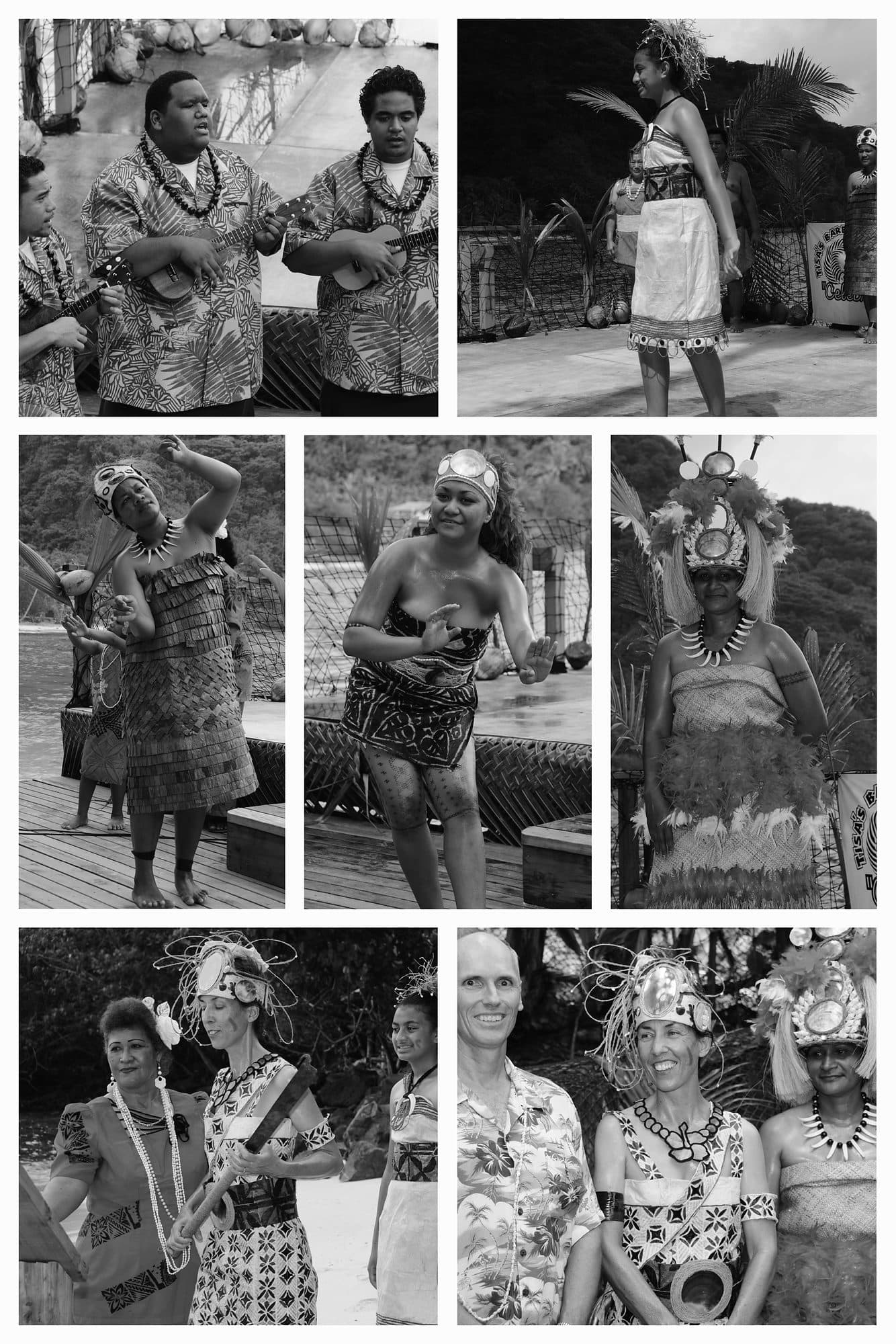
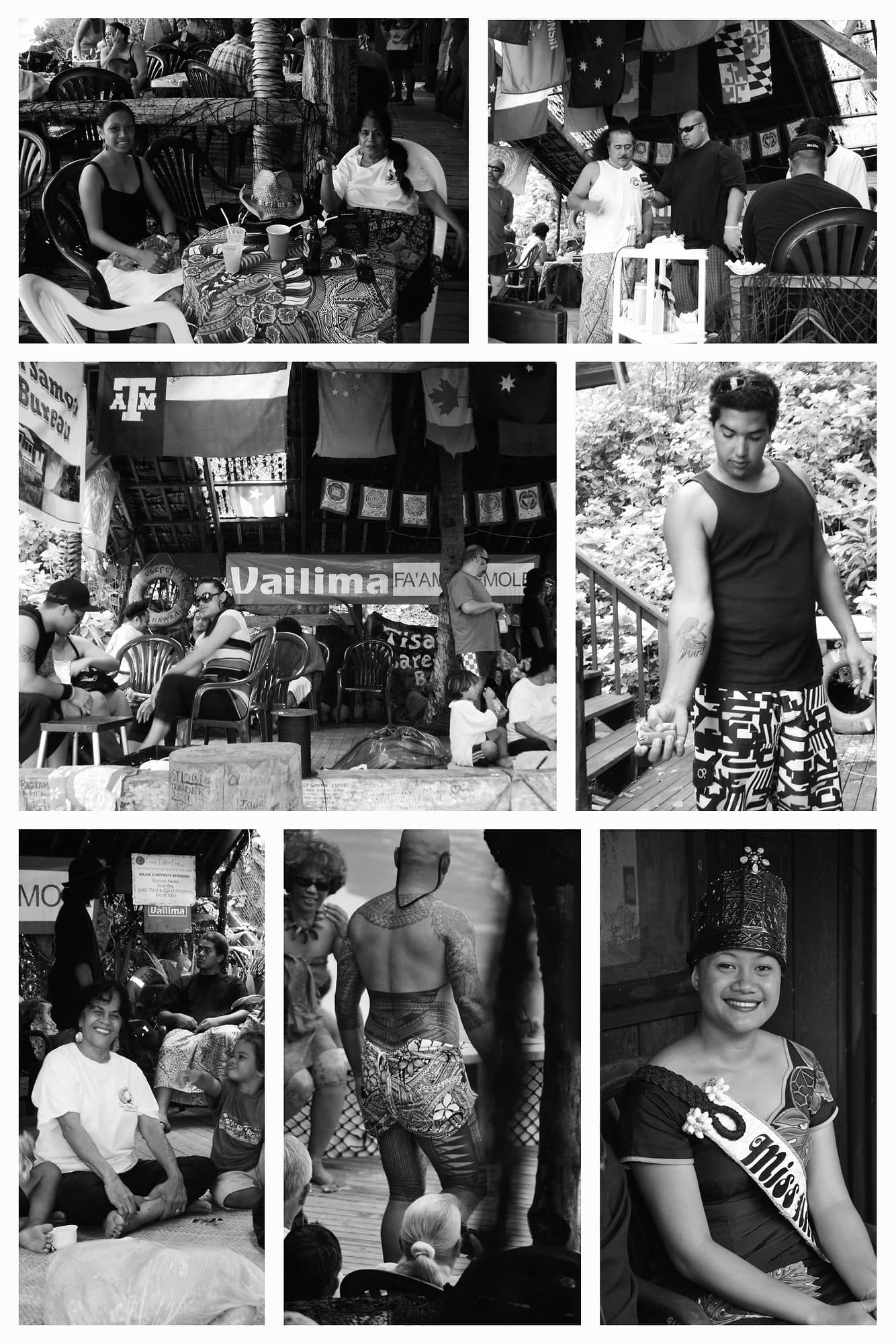
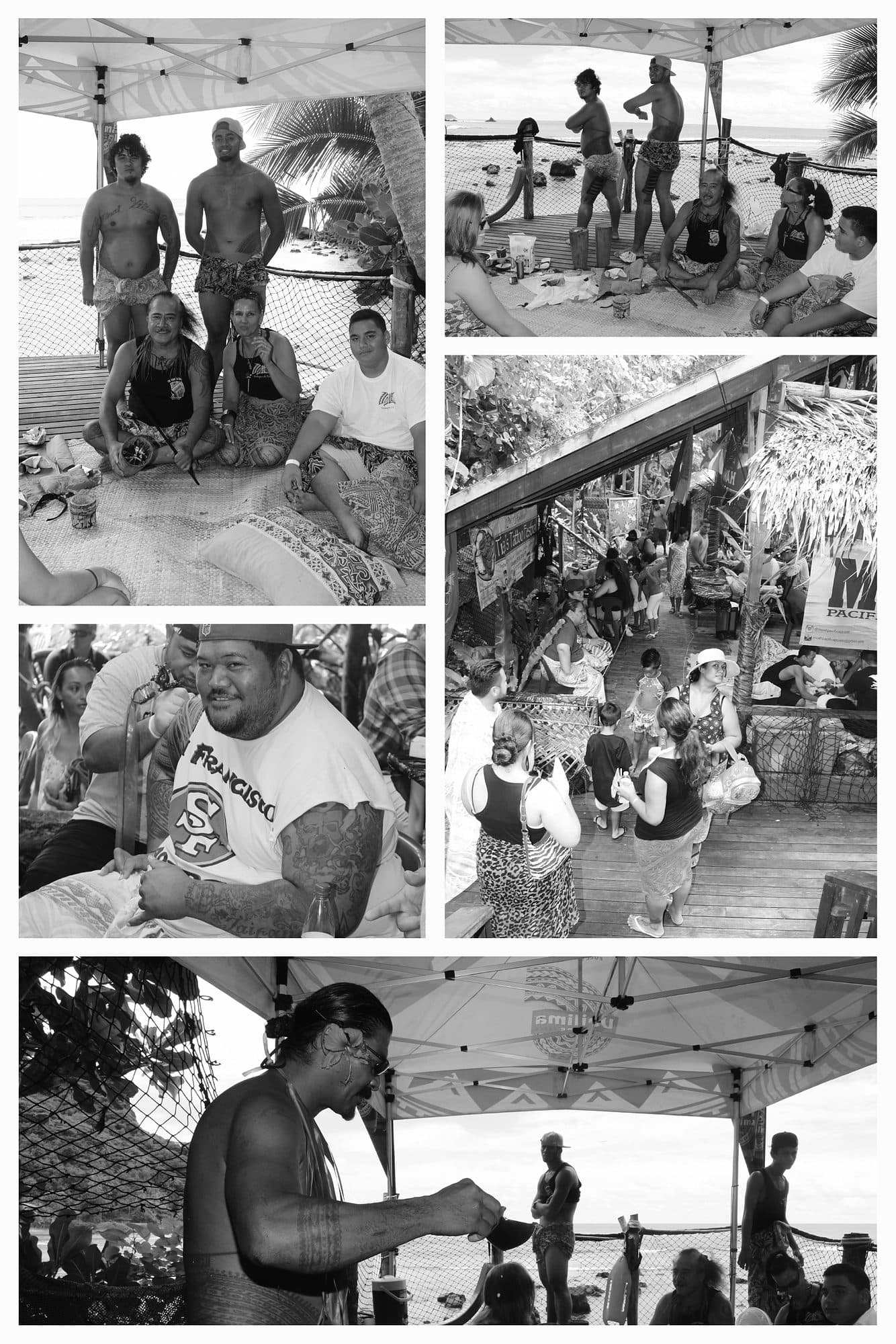
The photographs presented here represent a remarkable cross-section of twenty years of Tisa’s Tattoo Festival, capturing the people, traditions, ceremonies and artistry that have made this gathering a distinctive part of American Samoa’s cultural heritage. Together, they document more than two decades of cultural preservation, the passing of ancestral knowledge between generations, and the enduring importance of the tatau to Samoan identity.
Recognizing their historical and cultural significance, these photographs were specially assembled and mounted for an exhibition at the Jean P. Haydon Museum in Fagatogo as part of American Samoa’s Flag Day celebrations. Displayed for several months, the exhibition celebrated the festival’s contribution to safeguarding one of Samoa’s most treasured cultural traditions, while offering the public a rare visual record of the people and moments that have shaped its history.
The exhibition's significance extended beyond its original presentation. Many of the photographic display boards subsequently became part of the museum’s permanent collection, ensuring that this unique visual record of American Samoa’s living cultural heritage would be preserved for future generations.
We are proud to present this collection beyond the museum walls, sharing an important chapter in the cultural history of American Samoa and honoring the generations of artists, cultural practitioners and families who have kept these traditions alive.
Explore the exhibition: Select any photograph to enlarge it, then use the arrows to browse the collection.